Aquarium Buying Guide: Tanks, Filters & Water Care

Short answer: start with the biggest tank you have room for, as larger volumes of water are more stable and forgiving. Add a filter rated for that volume, a water conditioner to make tap water safe, a test kit, gravel or sand, lighting and some decor. Then let the tank mature for several weeks before adding fish gradually. Choose fish that suit the tank size and each other, and feed small amounts.
Tanks: think in litres
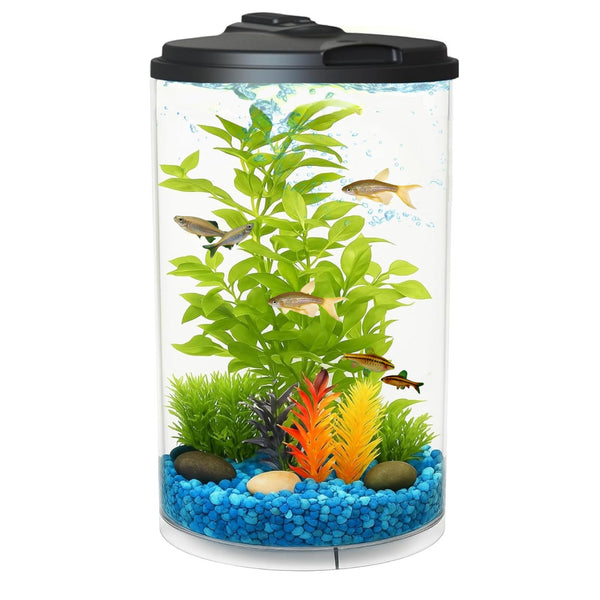
Work out the volume in litres by multiplying the length, width and height in centimetres and dividing by 1,000. A tank of 60 by 30 by 35 cm, for example, holds about 63 litres. Many tanks are listed in gallons, so check which gallon is meant: a "10 gallon" tank in most listings is about 38 litres, not the 45 litres an imperial gallon would suggest.
- Beginners: around 60 litres or more is a common recommendation for a first tropical community tank, as small tanks change temperature and water quality quickly.
- Goldfish: goldfish grow large and produce a lot of waste, so they need far more space than a traditional bowl.
- Weight: water weighs about 1 kg per litre, so a 100 litre tank with gravel and decor can weigh well over 100 kg. Use a stand or cabinet designed for it, on a level floor.
Browse our aquariums and fish tanks, including kits from Fluval and Tetra.
Filters: the heart of the tank
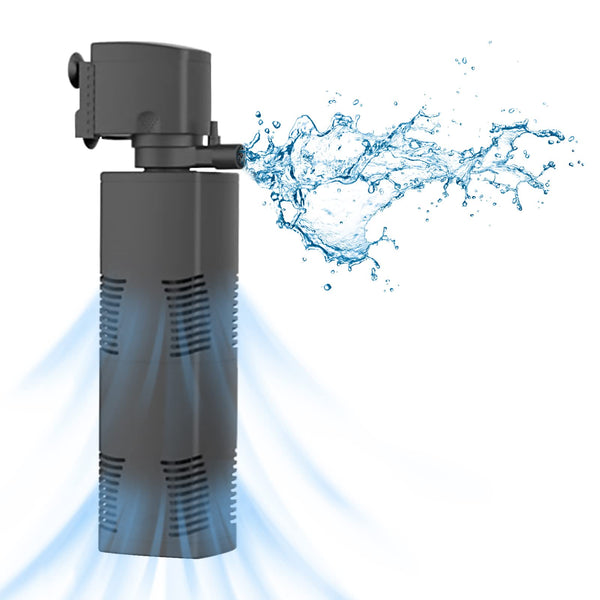
A filter keeps water moving and, more importantly, houses the beneficial bacteria that break down fish waste. Choose a filter rated for at least your tank's volume, and many fishkeepers prefer one rated a little higher.
- Internal filters: compact and simple, good for small and medium tanks.
- Hang-on-back filters: sit on the rim and are easy to maintain.
- External canister filters: hold more media and suit larger tanks.
- Sponge filters: gentle flow, ideal for shrimp, fry and small fish.
For anything that plugs in, check that it runs on UK 230 V mains and comes with a UK plug or a suitable adaptor. See our aquarium filters, including models from Tetra.
Filter media: rinse, never replace all at once
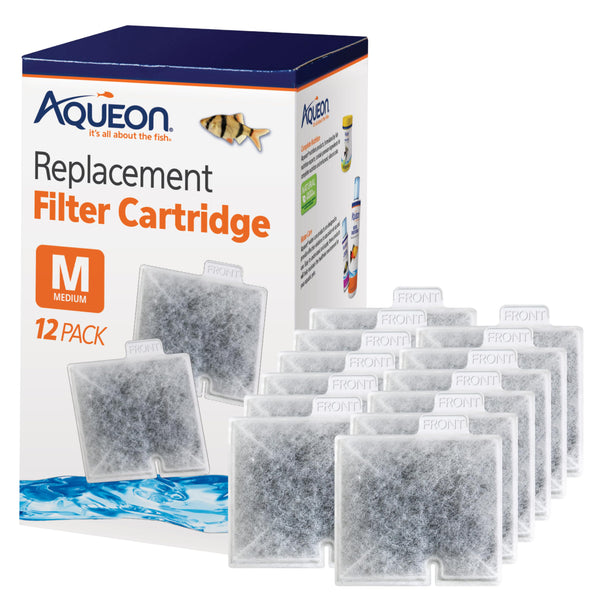
Filter media comes in three types: mechanical (sponges and floss that trap debris), biological (ceramic rings or porous media where bacteria live) and chemical (such as activated carbon). When you clean the filter, rinse sponges in a bucket of old tank water rather than tap water, and never replace all the media at once, or you will lose the bacteria your tank depends on. Browse filter media and replacement cartridges, including media from Fluval.
Water care: conditioner and testing
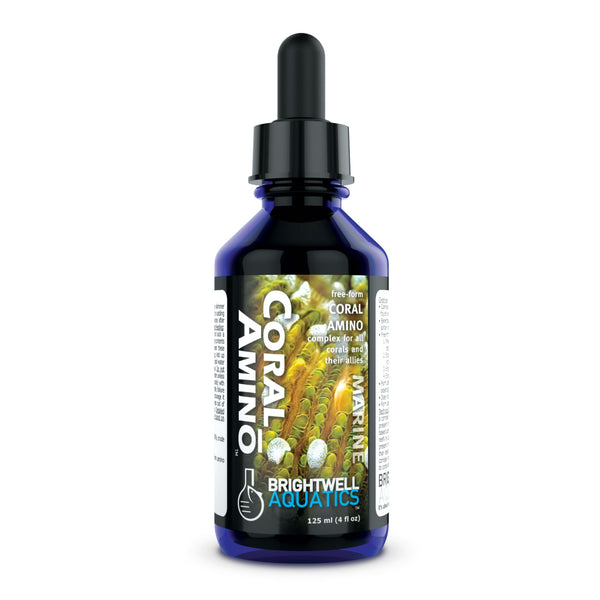
UK tap water contains chlorine or chloramine, added to make it safe for people to drink, but both are harmful to fish, so add a water conditioner (dechlorinator) every time you add tap water. Much of England has hard, alkaline water, which suits some fish better than others, so check your water before choosing species.
A new tank needs to mature, a process often called cycling, while bacteria build up in the filter. This usually takes several weeks. A test kit for ammonia, nitrite, nitrate and pH shows you when the tank is ready and helps you spot problems later. Once stocked, most fishkeepers change 10 to 25 per cent of the water every week or two. Our aquarium water care and test kits include conditioners and test kits from Seachem.
Gravel and sand
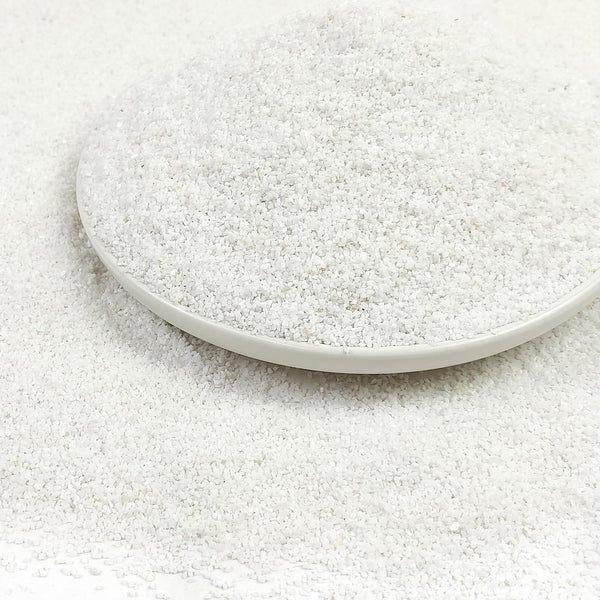
Gravel is easy to clean with a siphon and suits most community tanks; fine sand suits bottom-dwelling fish such as corydoras that like to sift through it. Rinse new substrate thoroughly before adding it. Plant substrates provide nutrients for live plants. Allow about 5 cm depth for most tanks. See our aquarium gravel and sand.
Lighting and decor
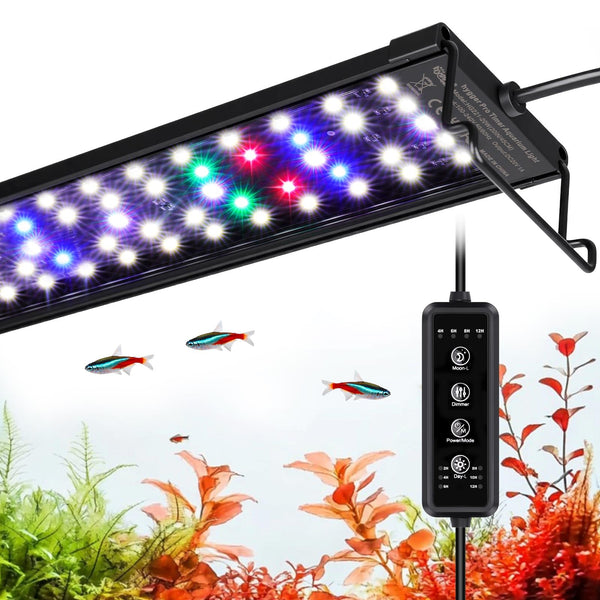
LED lights are efficient and run cool, and many have timers or sunrise and sunset modes. Around 8 hours of light a day is a common starting point; leaving lights on too long encourages algae, especially if the tank is near a sunny window. Choose a light that fits your tank's length. Browse our aquarium lights and hoods.
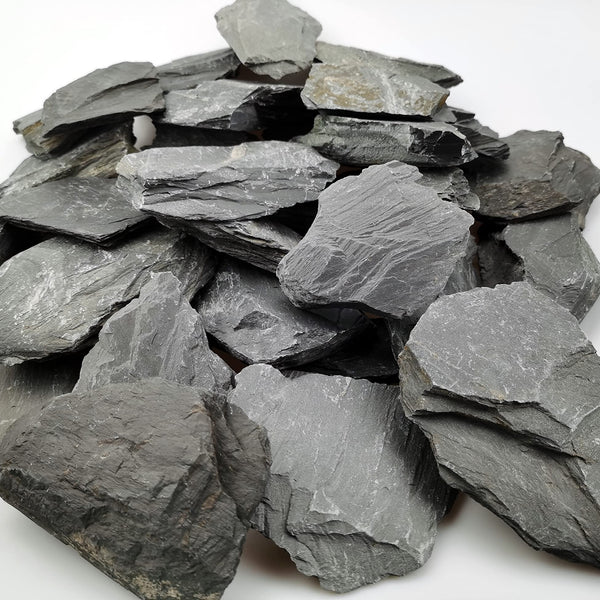
Rocks, wood, plants and ornaments give fish places to hide and explore, which helps shy species settle. Choose decor sold for aquarium use, rinse it before adding it, and leave open swimming space at the front. See our aquarium decorations.
Fish food: small amounts
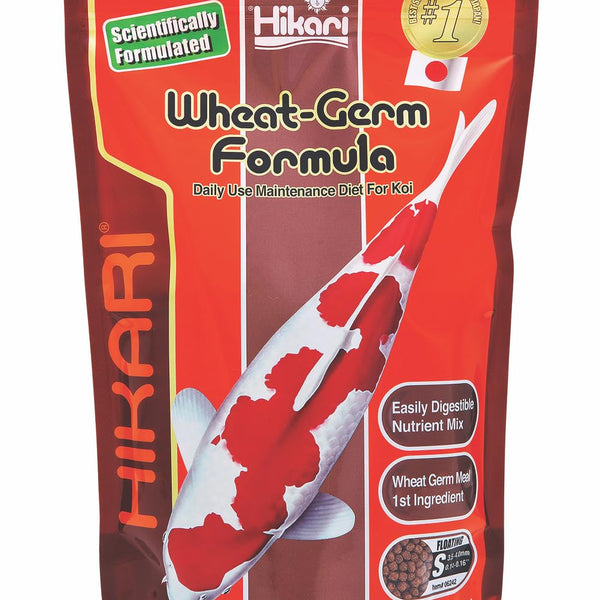
Feed only what your fish finish in a couple of minutes, once or twice a day; uneaten food spoils the water. Flakes suit fish that feed near the surface, sinking pellets and wafers suit bottom feeders, and frozen or freeze-dried foods add variety. Our fish food and feeders include foods from Hikari and Tetra. Automatic feeders help if you are away for a few days.
How to choose: a quick checklist
- Choose the largest tank you have space for, and calculate its volume in litres.
- Check that the floor and stand can take the full weight.
- Pick a filter rated for at least your tank's volume, with a UK plug.
- Buy a water conditioner and a test kit before you buy fish.
- Let the tank mature for several weeks, then add fish gradually.
- Research how large each species grows and whether they get along.
Frequently asked questions
How long should I wait before adding fish to a new tank?
Most new tanks need several weeks to mature while beneficial bacteria build up in the filter. Use a test kit: the tank is usually ready when ammonia and nitrite both read zero.
Do I need a water conditioner for UK tap water?
Yes. Tap water contains chlorine or chloramine, which are harmful to fish, so add a water conditioner every time you add or change water.
How many litres is a 10 gallon tank?
Most listings use the smaller gallon, so a 10 gallon tank holds about 38 litres. To be sure, multiply length, width and height in centimetres and divide by 1,000.
Keep browsing
Explore our full fish and aquatics department, or see every category on our shop by category page. Delivery is free on every UK order and unused items can be returned free within 30 days; see delivery and returns for details.