Pet Bird Supplies Guide: Cages, Perches, Food & Toys

Short answer: buy the largest cage you can fit, with bar spacing that suits your species, and place it in a bright, busy room away from draughts and kitchen fumes. Fit natural perches of different thicknesses, add a bath, separate food and water dishes, a species-appropriate food and a rotating selection of toys. Many pet birds, such as budgies and cockatiels, are sociable and are usually happier with company of their own kind.
Cages: size, shape and bar spacing
A bird should be able to stretch and flap its wings fully inside the cage, and to hop or fly between perches. Wide, rectangular cages give more useful flying space than tall, narrow or round ones.
- Bar spacing: small birds such as budgies, canaries and finches need narrow spacing, usually around 1 to 1.2 cm, so they cannot get their heads stuck. Cockatiels and larger birds need wider, thicker bars.
- Doors and trays: large doors make cleaning and handling easier, and a pull-out tray with a grille underneath keeps birds away from droppings.
- Stands: a stand raises the cage to eye level, where many birds feel more secure.
Even with a large cage, most pet birds benefit from supervised time out of the cage in a bird-safe room. Browse our bird cages and stands, including cages from Prevue Pet Products.
Where to put the cage
Birds are social and like to be where the family is, but not in the middle of the action. Place the cage against a wall so one side feels protected, out of direct sun and away from draughty doors, radiators and the kitchen. Fumes from cooking, especially from overheated non-stick pans, and from aerosols and scented candles can be harmful to birds. In winter, keep the room at a steady temperature, and a cage cover at night helps some birds settle.
Perches: different sizes and textures
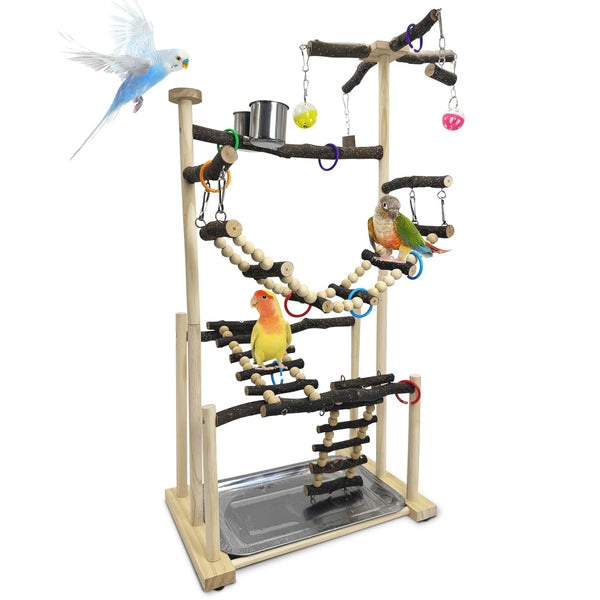
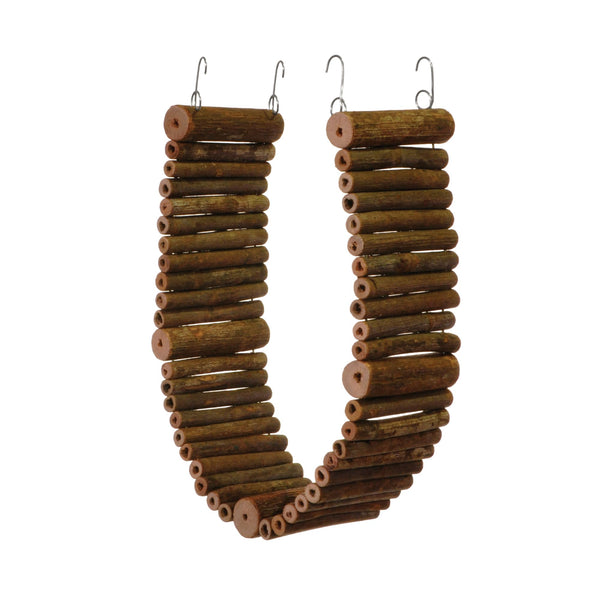
Birds stand on their perches almost all the time, so variety matters. Choose perches of different diameters and textures so the feet are exercised in different ways; natural wooden branches are ideal. Place them at different heights, but not directly above food and water dishes. Ladders and swings add more to climb on. See our bird perches, ladders and swings.
Cage accessories: covers, liners and nests
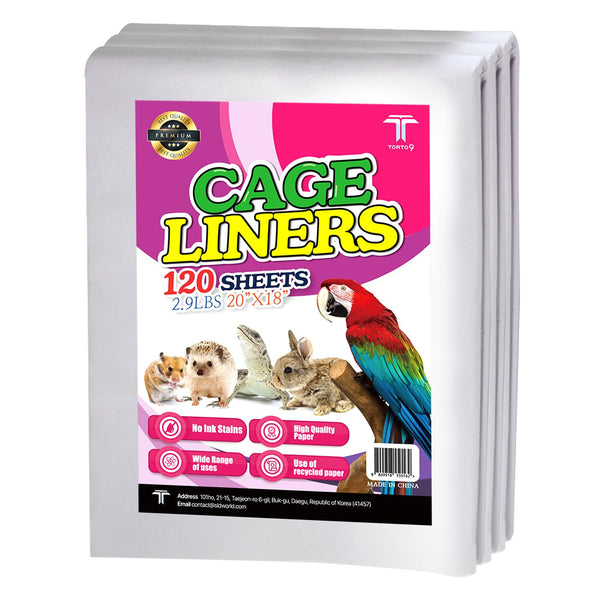
A breathable cage cover helps birds settle at night and keeps out draughts. Cage liners or paper on the tray make daily cleaning quicker. Nest boxes are only needed for breeding and can trigger hormonal behaviour, so most pet owners leave them out. Browse bird cage accessories.
Baths: bathing is natural
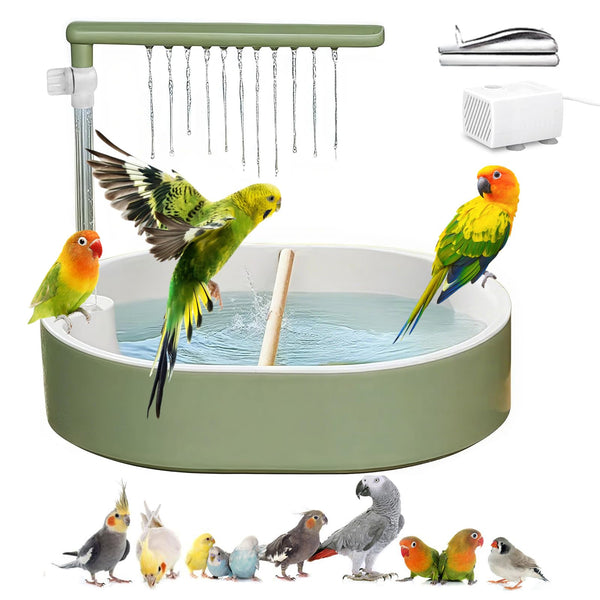
Most birds enjoy bathing, which helps them keep their feathers in good condition. A clip-on bath that hangs on the cage door keeps splashes contained; a shallow dish of lukewarm water works too. Offer a bath a few times a week and remove it afterwards. See our bird baths.
Feeders and drinkers
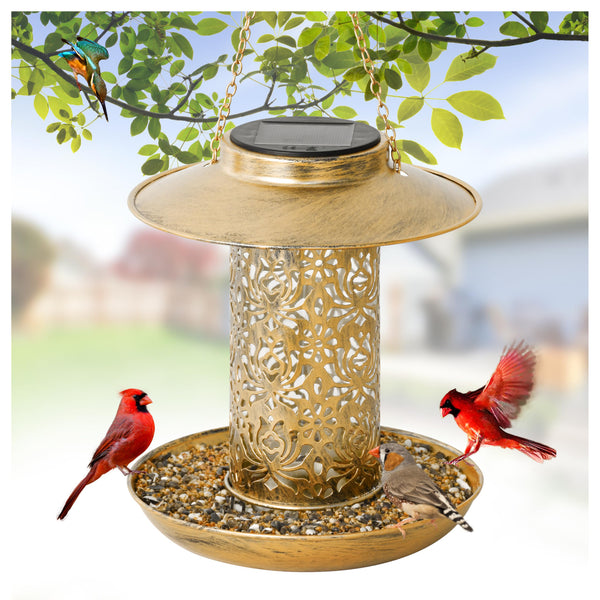
Use separate dishes or drinkers for food and water, and place them where droppings will not fall into them. Covered feeders reduce mess from husks; tube drinkers stay cleaner than open dishes. Wash and refill water every day. Browse bird feeders and drinkers.
Food: species first
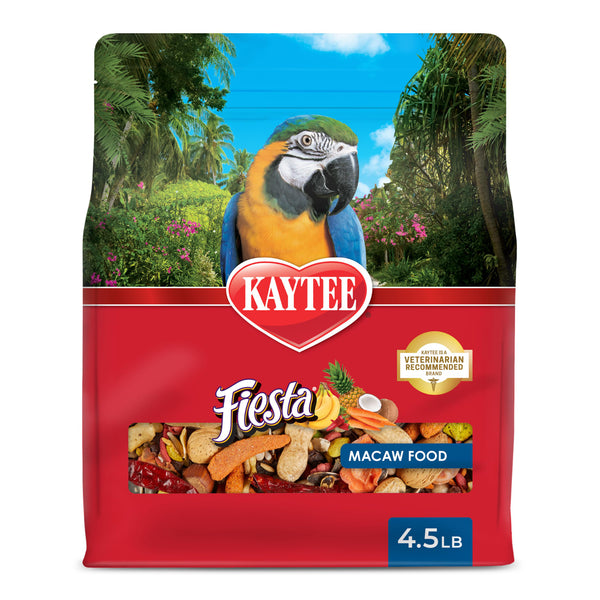
Different birds have different diets. Budgies and canaries are usually fed a seed mix or pellets made for their species, while larger parrots are often fed a pelleted diet. Most birds also enjoy suitable fresh vegetables. Change the food gradually if you switch brands or types, and check the label to make sure it is made for your species. See our bird food and treats, including foods from Kaytee. If you are unsure what your bird should eat, ask an avian vet.
Toys: forage, shred, climb
Birds are intelligent and need mental exercise. Offer a mix of toys to shred, chew, swing on and forage from, and rotate them weekly. Choose toys sized for your bird and made from bird-safe materials such as natural wood, paper and vegetable-dyed leather. Browse our bird toys.
Carriers: for vet visits
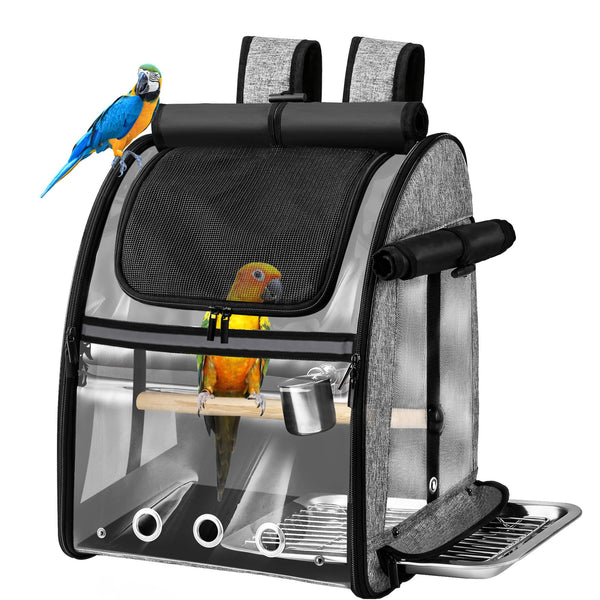
A small, secure travel carrier with a perch, good ventilation and a solid base is much safer than moving the whole cage. Cover part of it to keep your bird calm, and avoid temperature extremes in the car. See our bird carriers.
How to choose: a quick checklist
- Choose the widest cage you have room for, with bar spacing for your species.
- Place it against a wall, away from the kitchen, draughts and direct sun.
- Fit natural perches of several diameters at different heights.
- Use separate food and water dishes, and wash them daily.
- Pick a food made for your species and change foods gradually.
- Rotate a few toys each week.
Frequently asked questions
What bar spacing does a budgie cage need?
Small birds such as budgies, canaries and finches need narrow bar spacing, usually around 1 to 1.2 cm, so they cannot get their heads through the bars.
Where should I put a bird cage?
In a bright room where the family spends time, against a wall, out of direct sun and away from draughts, radiators and the kitchen.
Should I cover my bird's cage at night?
Many birds settle better with a breathable cover at night, which also keeps draughts out in winter. Leave part of the cage uncovered for ventilation.
Can I return a cage if it is too big?
Yes. Unused items can be returned free within 30 days. See our delivery and returns page for how to start a return.
Keep browsing
Explore our full bird department, read the pet toys and enrichment guide, or see every category on our shop by category page. Delivery is free across the UK; see delivery and returns for details.